
Who We Are
West Kootenay Fibreshed is an arts and culture organization connecting people to fibre, land, and one another through creative practice.
We support artists, makers, growers, knowledge holders, and fibre-curious community members to explore how textiles are grown, gathered, made, used, repaired, reused, remembered, and eventually returned to the earth. Through artist-led workshops, mentorship, shared tools, exhibitions, gatherings, and public education, we create opportunities for people to develop skills, exchange knowledge, and participate in the cultural life of our region.
At the centre of our work is material literacy: understanding where materials come from, how they are transformed, whose knowledge and labour they carry, and how they can be cared for throughout their lives.
This includes learning how to create with raw and locally available fibres, but also how to mend, reclaim, repurpose, and continue working with materials already in circulation.
Fibre arts naturally bring different fields into relationship. A textile may begin with a sheep, a flax field, a nettle patch, a dye plant, or an existing garment waiting to be repaired or remade. It may pass through the hands of growers, harvesters, processors, spinners, dyers, weavers, knitters, sewers, menders, and artists.
Our work engages agriculture, ecology, history, and regional economies because these systems shape the materials available to artists and the cultural practices that develop around them. The purpose is not simply to produce new local materials, but to deepen artistic practice and strengthen the relationships, skills, and cultural knowledge held within textiles.
How did the Fibreshed movement start?
The project began in 2010 with a commitment by its founder, Rebecca Burgess, to develop and wear a prototype wardrobe whose dyes, fibres and labour were sourced from a bioregion no larger than 150 miles from the project’s headquarters in Northern California. Burgess had no expected outcomes from the personal challenge other than to reduce her own ecological footprint and maybe inspire a few others.
Burgess teamed up with a talented group of farmers and artisans to build the wardrobe by hand, as manufacturing equipment had all been lost from the landscape more than 20 years ago. The goal was to illuminate that regionally grown fibers, natural dyes, and local talent was still in great enough existence to provide this most basic human necessity—our clothes. Within months, the project became a movement, and the word Fibershed and the working concept behind it spread to bioregions across the globe.
(Source: https://fibershed.org/)

From Soil to Soil
The soil-to-soil cycle offers a way of understanding textiles as part of a living cultural and ecological system.
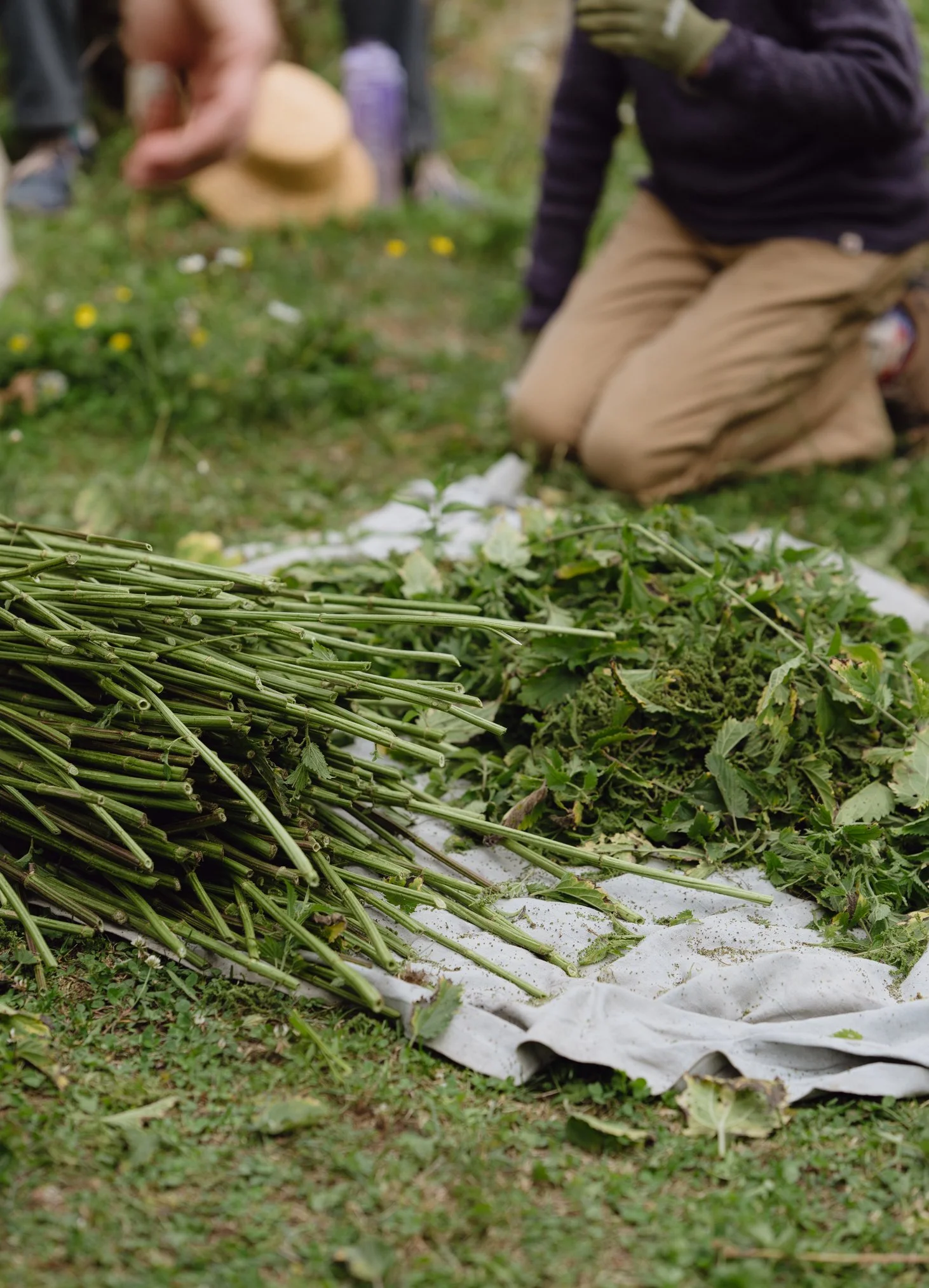
Fibre begins with land. It is cultivated or gathered, processed into material, and transformed through skill, imagination, and labour. It may become clothing, artwork, household objects, tools, ceremony, or an expression of personal and collective identity.
But the cycle does not move directly from production to disposal.
Textiles can be worn, cared for, repaired, altered, shared, inherited, unravelled, reclaimed, and remade. Mending and reuse extend the life of materials while creating new opportunities for artistic expression, resourcefulness, and connection. A repaired garment carries visible evidence of care, while a reclaimed material can hold traces of its previous life within a new work.
For us, soil-to-soil means attending to the whole life of a material. It includes how fibres are grown and processed, how thoughtfully they are used, how long they remain in circulation, and whether they can eventually return safely to the earth.
By engaging with this full cycle, artists and community members gain a more intimate understanding of their materials. They can make creative decisions informed by place, history, labour, use, repair, and ecological responsibility.
Our soil-to-soil approach includes:
supporting artistic exploration with locally grown, gathered, reclaimed, and reused fibres
sharing skills in fibre preparation, spinning, dyeing, weaving, knitting, felting, sewing, mending, and textile repair
encouraging artists and community members to work creatively with materials already in circulation
creating opportunities for artists and knowledge holders to teach, research, experiment, and present their work
maintaining shared tools and resources that make fibre practices more accessible
exploring the cultural histories, traditions, and stories carried through cloth
strengthening relationships between artists, growers, processors, menders, and communities
supporting practices that extend the useful and cultural life of textiles before they return to the earth
Material Literacy and Stewardship
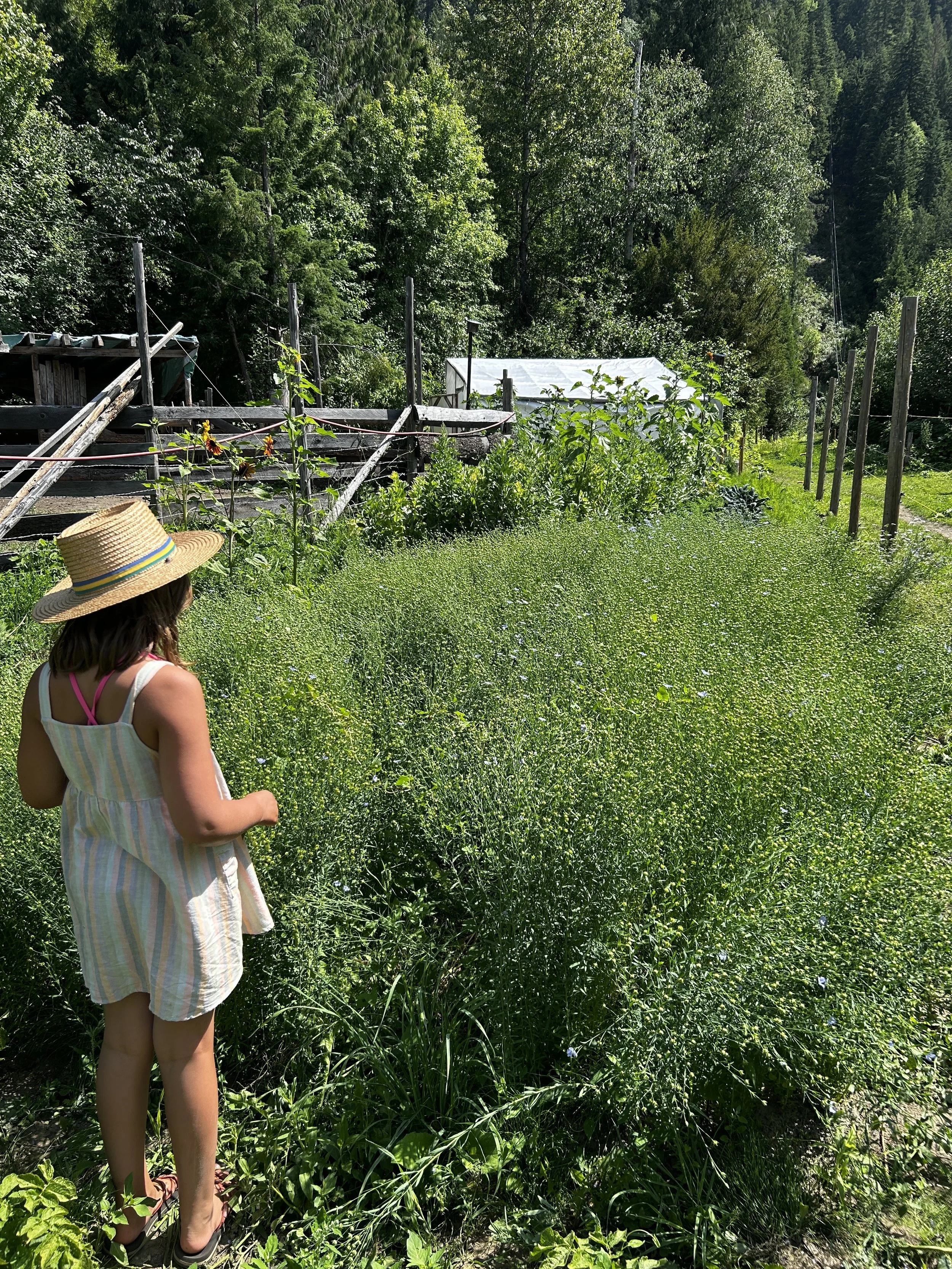
Material literacy means knowing more about the fibres and textiles that surround us: where they came from, how they were made, how they behave, and whose knowledge and labour shaped them.
Material stewardship asks what we do with that understanding.
It means choosing materials thoughtfully, working with care, maintaining what we already have, and recognizing repair and reuse as creative practices. It also means valuing existing textiles as resources rather than treating them as disposable.
Through mending, remaking, natural dyeing, fibre processing, and other forms of textile practice, people can build more direct and reciprocal relationships with material culture.
These practices are both practical and artistic. They invite experimentation, personal expression, patience, problem-solving, and a deeper awareness of how textiles move through our lives.
